19
Al Zorah Rowing
& Sailing Club
Design Competition · Recreational
Year
2016
Location
Ajman, UAE
Type
Design Competition
Status
Conceptual — Design Phase
Team
Collaboration — Noor Hajj
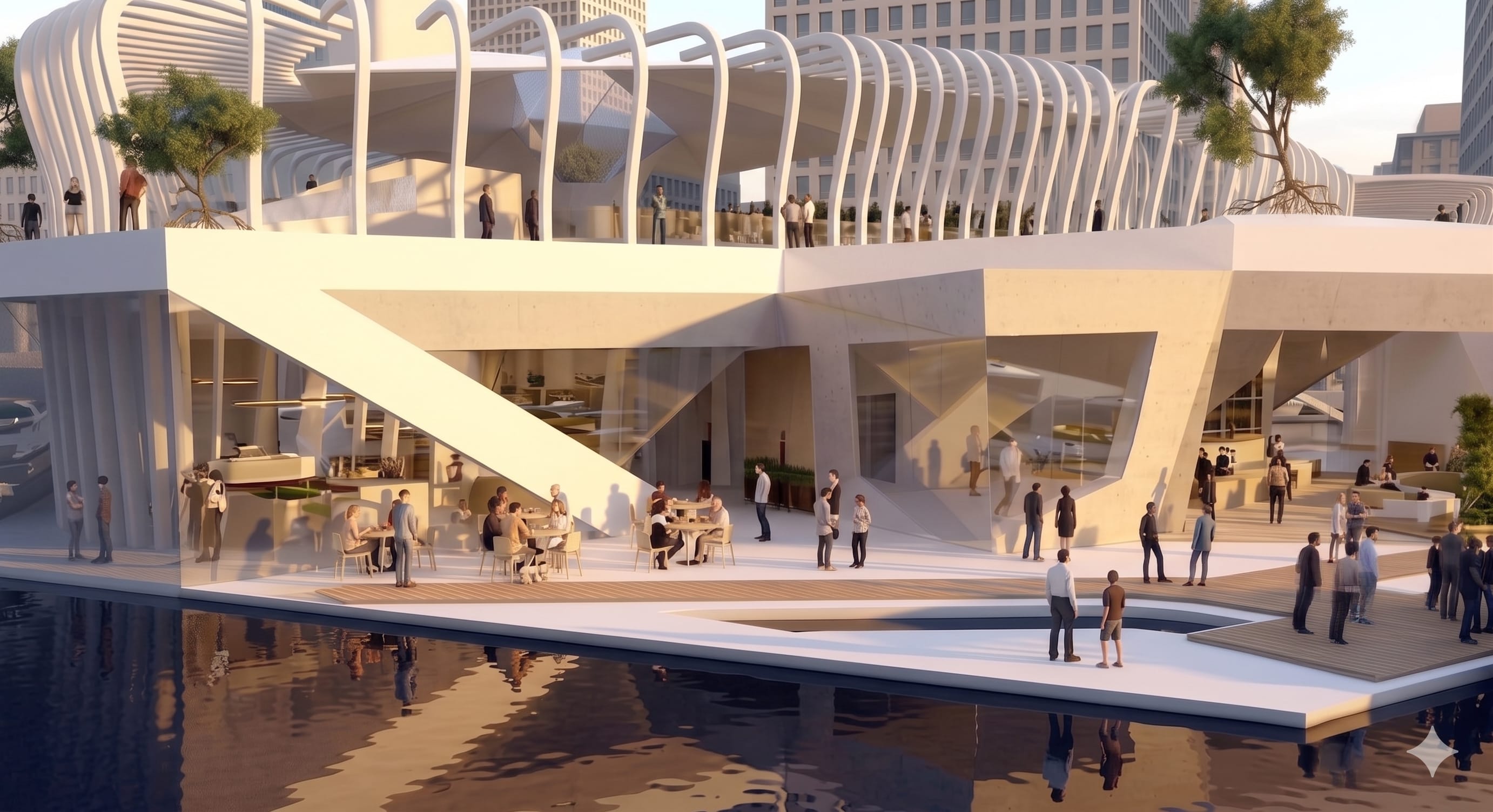
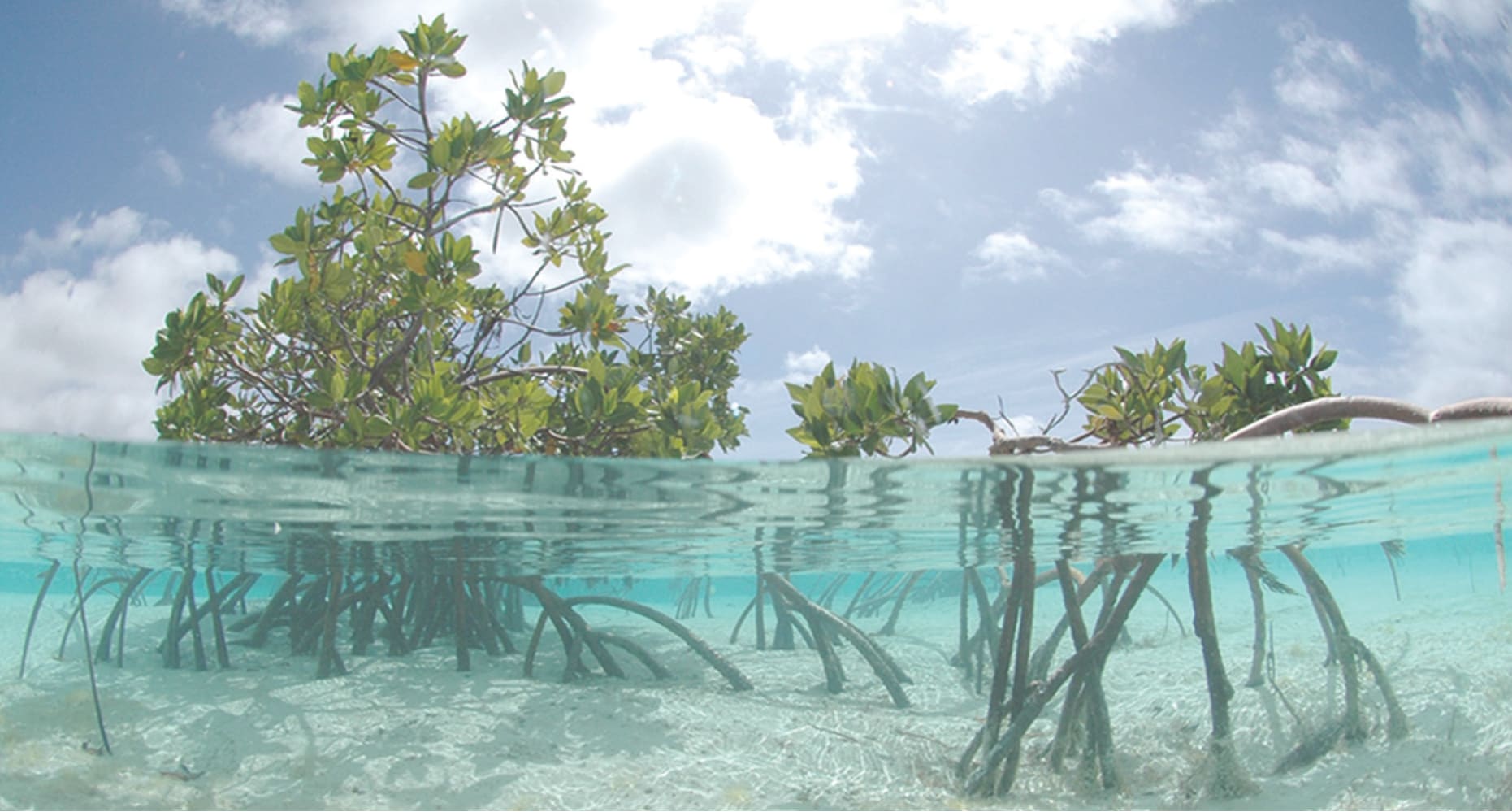
This design competition called for a rowing and sailing club off the coast of Ajman, in the United Arab Emirates. Abiding by the mangrove tree's structural model, the communal center is organised around submerged main "roots" — nodes that link to the building's piping system. Water circulates inside the structure, where pipes act as passive cooling devices before returning to the creek. The circulation web forces humid coastal air to condense onto the pipes, turning it into liquid — a natural cooling and condensation loop.

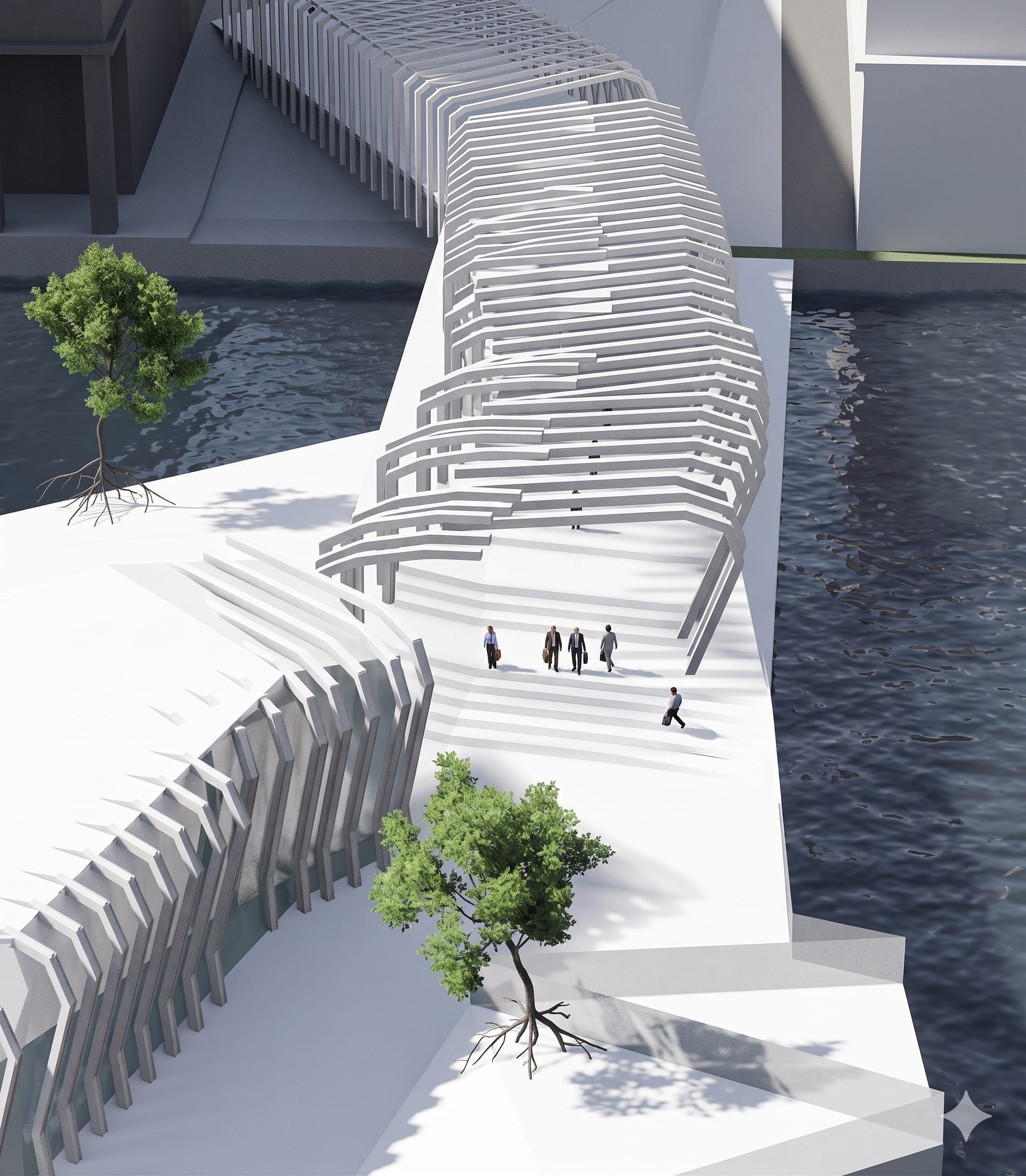
The mangrove tree was the central reference — a structure that is simultaneously anchored and fluid, rooted underwater while its canopy opens to the sky. The building adopts the same logic: a complex of submerged structural nodes and root-like piping connects all elements of the program, providing both structural support and environmental performance.
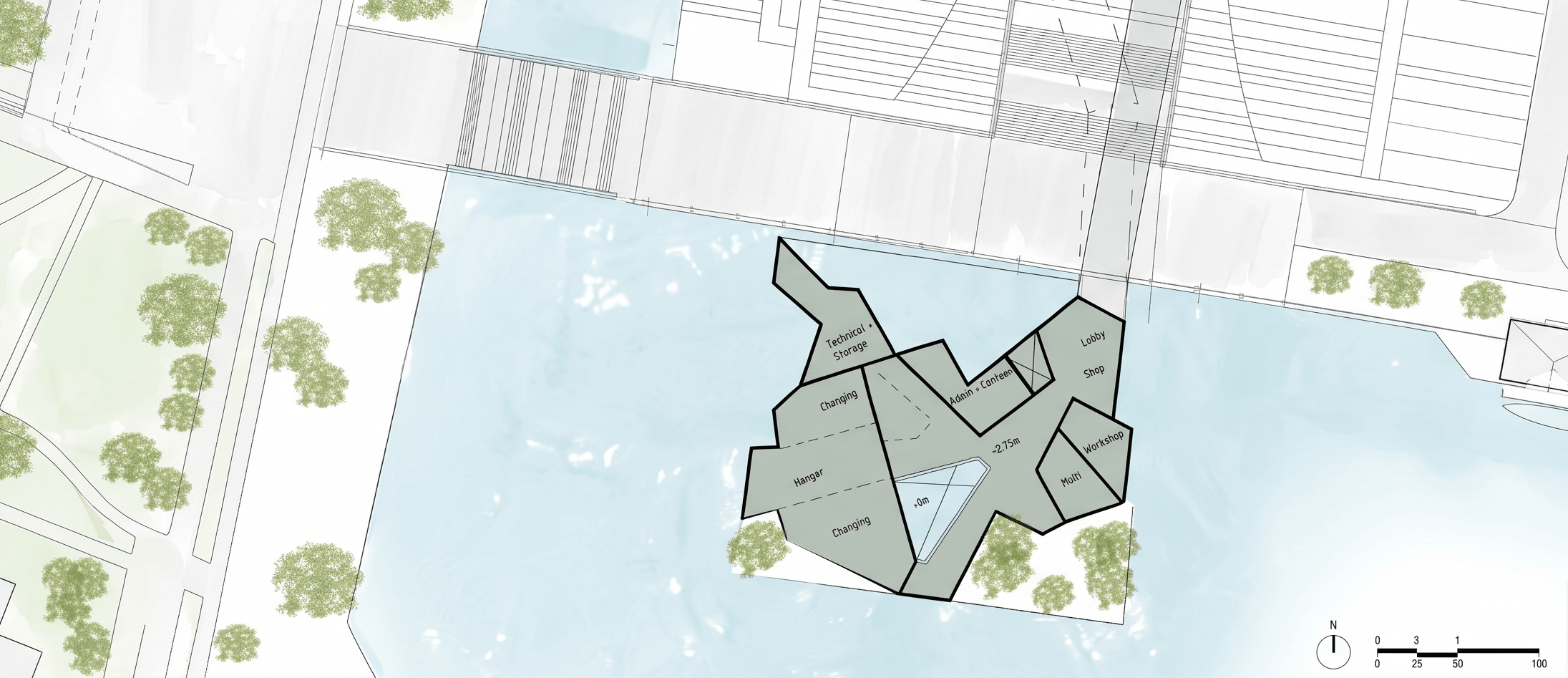
After mapping the dynamic terrain of the site and all possible circulation routes, the team derived the structural outline from these movement paths — a form that opens to the site and connects all possible routes. These outlines allow for future extensions along the entire coastline. The rowing club is positioned in close proximity to all sport-related activities, making the center a connector between the city and the water.

The site analysis mapped four circulation routes — kayak, boat, walk/buggy, and bike — as well as the dynamic terrain of the Al Zorah coastal reserve. These routes formed the generative framework for the building's footprint, with each arm of the structure addressing a different mode of movement and a different relationship to the water.
The floor plan is organised across two levels: ground floor contains the technical and sporting facilities — hangar, changing rooms, admin, canteen, workshop — while the upper level houses the restaurant, playroom, and meeting spaces oriented towards the waterfront.