
05
Designing for
Circumstance
Research · Space Exploration
Year
2021
Location
Cologne, Germany
Type
Academic — Space Exploration
Status
Published
Output
Video Essay
Tools
Rhino · Adobe · Video
This analysis showcases the potential that two very similar spaces have in their design outcome — and how radically different that outcome can be. The potential of a space is often linked to the circumstances and experiences within it. User interaction and experience feeds into the design potential and spatial possibilities. The two spaces chosen are the author's own rooms in Beirut, Lebanon and Cologne, Germany.
Both rooms overlook an open, "free" space — yet the experience is radically different. In Beirut, the open space led to the destruction of the room in the August 2020 Port explosion, generating a sense of unsafety and fear. In Cologne, the same quality of openness became a gateway to safety and closure after moving to an unknown city.
By defining "Space" and "Openness" through a video essay, the project showcases the sensitivity of both terms. Both relate to the notion of freedom — but designing for freedom does not always lead to the same outcome. Free can mean safety, closure, potential. For other experiences, it leads to devastation and destruction.
Design potential can only be understood based on circumstance and context. Two spaces can have the same qualities but require entirely different approaches in design.
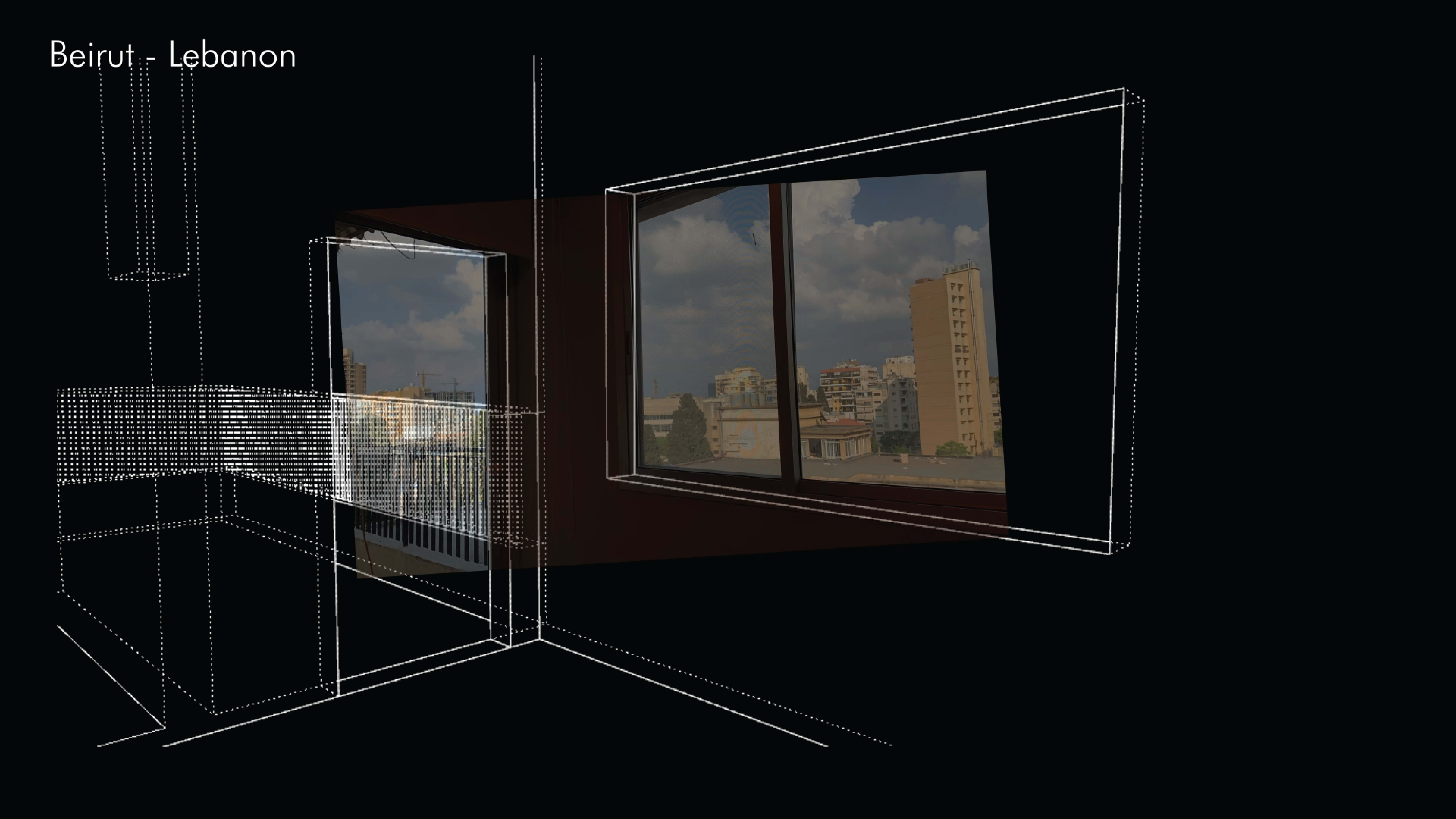
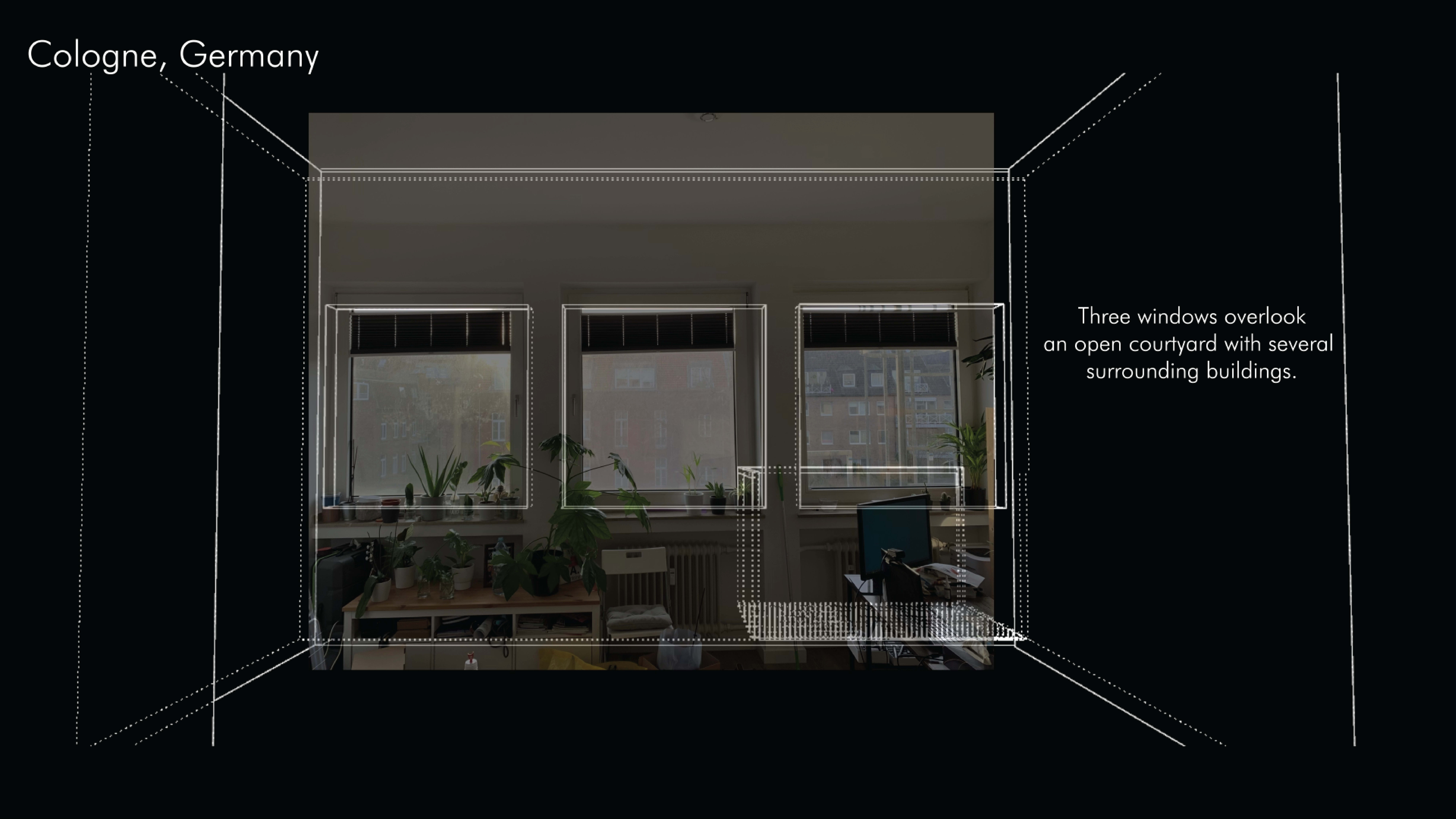
The findings were presented as a video essay — a format chosen to capture the temporal dimension of spatial experience. Moving image allows the viewer to experience the rooms through duration and sequence, rather than the static freeze of a plan or render.
The video compares the two spaces side by side, defining the terms Space and Openness and tracing how identical spatial qualities produce opposite emotional and spatial outcomes depending on the lived circumstances of the inhabitant.